السبت، 17 أكتوبر 2009

History of e-Learning

Historical Timeline

470 قبل الميلاد

0 470BC Socrates was using a way of questioning as a way to teach people. This dialectic way of learning is still used within educational settings and also within e-Learning

سقراط كان يستخدم وسيلة السؤال لتعلم

200 قبل الميلاد

Roman classroom 0 200AD This is a very early use of learning aids/tools. A Roman piece from a place near Trier. It shows a school where the teacher is sitting in the middle and two students are sitting around him, reading a parchment role. At the right a student is arriving with his tablet on which he could write. This technique (writing slate) was used within European schools till around 1950.Dr. Marcel Mirande is mentioning in his book 'De onstuitbare opkomst van de leermachine' (The Unstoppable rise of the Learning machine) that the writing slate actually looks like, and maybe is, the equivalent of the modern laptop. He also states that the meaning and importantance of the writing slates was very clear. It has to be used to develop writing skills. Nowadays we are still developing a clear and balanced view on the new learning aids like laptops. click for full event details

الرومان يستخدمون الفصول الدراسية

1840

First selfstudy distance course 0 1840 Modern distance education has been around at least since Sr. Isaac Pitman taught shorthand in Great Britain via correspondence in the 1840s (shorthand is an abbreviated, symbolic writing method that improves speed of writing or brevity as compared to a normal method of writing a language). Pitman was a qualified teacher and taught at a private school he founded in Wotton-under-Edge. He decided to start a distance course and was sending assignments to his students by mail and they completed the 'homework' and sent it back to him


نظرية الاختزال لاسحاق بيتمان

1920

Pre 1920s: Shift from phrenology (stuffing the mind with knowledge as a mental exercise) to an empirical knowledge base for education based on Thorndike's Laws of Learning and the introduction of educational measurement.

ظهرت قوانين ثورندايك في التعلم وإدخال القياس التربوي.

1920s: Matching of society needs to education and connecting outcomes and instruction. Individualized Instruction (II) plans were developed that allowed learners to progress at their own pace with minimum teacher direction. Contract learning and mastery learning emerged, and the roots of job analysis and task analysis.

وضعت الخطط التي سمحت للمتعلمين الفرصة لإحراز التعلم .

1926

First automated testing machine 0 1926 In the early 1920s Sidney Pressey, an educational psychology professor at Ohio State University, developed a machine to provide drill and practice items to students in his introductory courses. Pressey (1926) stated, " the procedure in mastery of drill and informational material were in many instances simple and definite enough to permit handling of much routine teaching by mechanical means." The teaching machine that Pressey developed resembled a typewriter with a window that showed a question with four answers. The user pressed the key that corresponded with the correct answer. When the user pressed a key, the machine recorded the answer on a counter to the back of the machine and revealed the next question. After the user was finished, the person scoring the test slipped the test sheet back into the device and noted the score on the counter. Now we see that this functionality is widely used in online systems like Questionmark Perception. Testing and assessment can be perfectly done in an automated way. The Questionmark Perception assessment management system enables educators and trainers to author, schedule, deliver, and report on surveys, quizzes, tests and exams. It can easy the assessment processes and improve the quality of questions and tests. The machine was technically a good machine but was not a great success due to the economic situation within the United States. Because of the depression teachers were very afraid to lose their job because of this kind machine. click for full event details

اخترع العالم سدني بريسي عالم النفس التربوي في جامعة أهايو آلة تساعد على اختبار الطلاب تشبه الآله الكاتبة وتحتوي مجموعة من الأجوبة يتم الأختيار منها.

1939


Instructional media and World War II 0 1939 Although movies were popular for a while, within educational situations these media was not very popular yet.With World War II this changed. The war created an enormous instructional problem - thousands of new recruits had to be trained rapidly, and the sophistication of new weapons demanded an unprecedented level of mastery.Rapidly the new media technology became dominant and widely used. The war was the 'business driver'. click for full event details

أنتشار الوسائط التعليمية في زمن الحرب العالمية الثانية


1930


1930s: Even though the great depression affected education in terms of funding and other respects, the 8 year study plan (Tyler) was a major milestone in specifying general objectives for education and behavioral objectives were being shaped. Also formative evaluation was recognized.

على الرغم من أن الكساد الاقتصادي الكبير على التعليم من حيث التمويل والجوانب الأخرى، ظهرت أهداف تايلر لتحديد الأهداف العامة والأهداف السلوكية.


1940


1940s: With WWII and the military, mediated strategies such as the use of films for instruction and AV technology was dominant and the term for instructional technologist was coined by Finn. The idea of an instructional development team was also initiated.


في الحرب العالمية الثانية ظهرت الأفلام التعليمة لتعليم التكنلوجيا

1945

Behaviorism and programmed instruction 0 1945 Burrhus Frederic Skinner was born March 20, 1904.In 1945, he became the chairman of the psychology department at Indiana University. In 1948, he was invited to come to Harvard, where he remained for the rest of his life. He was a very active man, doing research and guiding hundreds of doctoral candidates as well as writing many books.B. F. Skinner’s entire system is based on operant conditioning. A behaviour followed by a reinforcing stimulus results in an increased probability of that behaviour occurring in the future. Everybody know his examples with rats.But Skinner also developed a learning system! And during the 50s the attitude towards teaching machines radically changed. In the United States, there were not enough people to fill all the teaching positions. Also the television was popular within education.Skinner presented the content in small, related chunks of information. Students didn't have multiple choice questions but they had to write down the answers on a role of paper. Skinners Programmed Instruction was very popular.At this very moment, programmed instruction is popular when it comes to (digital) self study courses. click for full event details

في هذا الزمن قام العالم فريدريك سكينر رشيس قسم علم النفس في جامعة انديانا باستخدام الآلة التي تساعد على الأختيار من عدة أجوبة وذلك بسبب قلة المعلمين


1950


1950s: With the baby boom after WWII, the Trumpet Plan that recognized small group, large group independent study instruction was a milestone and Sputnik which initiated federal funds to education was another milestone. The period also marked the birth of Programmed Instruction (PI) from behaviorism. Bloom's mastery learning theory and task analysis was first used by the Air Force personnel.


ظهور نظرية بلوم لتحليل المهام واستخدمت أول مرة من جانب أفراد القوات الجوية


1960

Constructivism 0 1960 Jean Piaget (and other like Bruner) defined a model/theory of learning called Constructivism. This model based says that learning is an very active process. Learners construct new ideas, structures, models and concepts and connect them to their prior knowledge and mental models. Actual experiences are important for the learning process. Not only the content is important but also context is essential for meaningful learning. These instructional experiences must be structured so that learners can easily adapt the information. The learner plays an active role and learning is goal-oriented. click for full event details

ظهور نظرية العالم جان بياجية ، نظرية التعليم البنائية، مختصرها أن التعلم عملية نشطة.


1960s: Cognitive psychology was dominant in this decade (Gagne, Glaser), and the systems approach to designing instruction was introduced (Finn). A shift from norm-referenced testing to criterion-based testing was noted. The focus was on the development of instructional materials. The first types of teaching machines were developed, while instructional film became more creative and broadened its reach to children in schools. Programmed text and instructional films were some learning technologies used in the 1960s.The advent of large scale television availability brought on a new learning delivery method. The expenses were high and the delivery of the information challenging. The use of videos emerged and were used in corporate training and school classrooms for example educational shows such as Sesame Street and broadcasting university lectures.


ظهور علم النفس المعرفي وكان التركيز في هذا العصر على تطوير المواد التعليمية وكان الفيلم التعليمي هو أكثر أداة استخدمت في المدارس وأيضا التلفزيون وكذلك الفيديو ومن أشهر البرامج في هذا العصر للتعليم هو برنامج " افتح يا سمسم" ، وكذلك استخدم لبث المحاضرات.

1969

ARPANET: grandma of the WWW Jan 14 1969 The first ARPANET link was established on January 14, 1969, between the IMP at UCLA and the IMP at SRI. The ARPANET, developed by the Department of Defense of the United States, was the world's first operational packet switching network, and the predecessor of the global Internet. From the beginning the US university were playing an essential role. click for full event details

ظهر شبكة الأربانت في وزارة الدفاع الأمريكية في الحرب العالمية الثانية في جامعة كاليفورنيا


1970


1970s: Cognitive approach was still dominant. In the history of e-learning, the work of Ausubel, Bruner, Merrill, Gagne and others on instructional strategies dominated this decade. The birth of AECT and the proliferation of models of instructional design was noted as well as the development of needs assessment procedures by Kauffman and others.


في هذا العصر " المنهج المعرفي" لا زال مسيطراً على التعلم الإلكتروني وكذلك انتشرت نماذج التصميم في هذا العصر.


1975

Computers as learning aid
0 1975


The introduction of the first personal computer (the Altair 880 in 1975) was quickly followed by the Apple II and the IBM PC. With the Apple and the IBM the computer was reliable enough and was used for didactical purposes. The usability was improving and the computer was not only meant for nerds anymore.

Especially within mathematics and science many projects were started. Simulations and programmed instruction (De Jong, 1991) were used the most.

Computers were used to make the current, existing tasks easier to perform. They were helpful to some teachers and a nice addition to their teaching tools. It could hardly be called Innovation. It was substitution.

A lot of teachers with some technical skills start programming their own courseware (educational programs). Useful 'drill and practice' exercises were created. Not a lot of courseware were shared amongst teachers. Lot of schools and teacher were having the 'Not-invented-here syndrome'.

click for full event details

إدخال أول حاسوب شخصي وبعده ظهر الحاسوب للأغراض التعليمية مثل الرياضيات والعلوم.


1980


1980s: Performance technology (Gilbert) and the focus on needs assessement (identifying the gaps between actuals and optimals) (Rossett) and whether the discrepancy was due to lack of incentive, lack of knowledge or skills, or lack of environmental support. Microcomputer instruction (CBI/CBT) flourished in this decade with the emphasis on design for interactivity and learner control.


الحواسيب الصغيرة ازدهرت في هذا العقد


1989

World Wide Web (WWW)
0 1989


The World Wide Web (aka the Web or WWW) is a system of interlinked, hypertext documents accessed via the Internet. With a web browser, a user views web pages that may contain text, images, videos, and other multimedia and navigates between them using hyperlinks.

The World Wide Web was created in 1989 by Sir Tim Berners-Lee and Robert Cailliau, working at CERN in Geneva, Switzerland.

The WWW became really popular when the graphical browser Mosaic was released in September 1993. It was dubbed the killer application of the Internet.

ظهور شبكة الأنترنت.


1990


1990s: Focus on designing learning environments based on a constructivist approach to learning and multimedia development. Hypertext and hypermedia influence the field and cross-cultural issues are bridged using the Internet. In the 1990s, interactive learning via computer-based training (CBT), use of touch screens and interactive videodisks increased with the availability of home computers and more reliance on technology in the workplace. The technology has since been advancing very fast, leading to concerns of digital and knowledge divides, incompatibilities between hardware and software, slow system performance, and memory and disk space issue, In the 1990s and not enough memory space. This was a technological learning curve for both the learning industry who made the products and the learners who used them.


تم تطوير الوسائط المتعددة واستخدام شبكة الانترنت ، واستخدام الشاشات التي تعمل باللمس ، مع الاعتماد على المزيد من التكنولجيا في مكان العمل.


1995

First accepted virtual learning environment
0 1995


At the end of the 90s the learning management systems (LMS) were used. Some universities started to design and develop their own systems but most of the educational institutions started with systems off the market.

One of the key players within the educational market was the American company Blackboard. Outside the educational world, other LMSs became popular like SABA and Docent. Blackboard was a complete solution for the management of the courses. Students and teachers could:

* exchange learning materials;
* do tests;
* communicate with each other in many ways;
* track and trace the progress;
* many more.

The environment was able to facilitate learning in quite an easy way. The product was quite simple to use by teachers, there was not a steep learning curve. That was one of the mean reasons for the popularity. Criticasters were telling everybody that this was nothing more than an old model of learning (very teacher centred) with a new way of interacting. No educational innovation was involved.

Blackboard actually changed the educational world because this was the first moment that teachers were accepting and using technology within their own classrooms on a large base!


ظهور أول بيئة تعلم أفتراضية.

The year 1995 may be considered to be the beginning of e-learning at the University of Tartu when the first e-mail based course was delivered for the students of the Faculty of Mathemathics.

تمت الموافقة على بداية التعليم الإلكتروني في جامعة تارتو


1997

Educational digital games
0 1997


Educational games are an important learning tool for ages. In 1933 Charles Darrow invented a board game called Monopoly. It was a big hit and players were engaged and were playing the game for hours and hours.

Since that moment people started to re-use the set of rules and the presentation of the rules but they used new content. This way Monopoly was used in a lot of learning situations. It became a learning tool!

In the '90s we also saw digital educational games. Also called Game based learning or Serious games.

Game based learning is learning by playing games. These games are designed to teach people about a certain subject, expand concepts, reinforce development, understand an historical event or culture, or assist them in learning a skill as they play.

One of the most used edugames is America's Army which is a tactical multiplayer first-person shooter owned by the United States Government and released as a global public relations initiative to help with U.S. Army recruitment.

Since 2002 it is available on the market for free (see details to download the game) and it is quite popular around the world. It is not only a shooter but you will also have to learn something in order to level up. As a player, you even need to join medical classes within the game. You need to collaborate with other players.

The army not only use this game as a recruitment tool but also as a training tool for their own soldiers.


ظهور الألعاب الرقمية التعليمية.


2000

درس أكثر من (70) مليون شخص في قطاعات التعليم والتدريب بوساطة الإنترنت

أسس مجلس التعاون لدول الخليج العربية «أمانة لجنة مسؤولي التعليم عن بعد بجامعات ومؤسسات التعليم العالي بدول مجلس التعاون لدول الخليج العربية» في عام (2000م) لدعم مبادرات التعلم الإلكتروني عن بعد في دول المجلس.

بدأت وكالة كليات البنات بوزارة التربية والتعليم مشروعًا طموحًا للتعليم عن بعد باستخدام نظام البث الفضائي (VSAT) لتعليم الطالبات عن بعد في أكثر من (100) كلية للبنات في أنحاء المملكة. "غير متأكد من التاريخ"

2000

2000s: In the new millennium, Internet technologies are more and more integrated with personal, academic, and professional lives. Learners, educators, and instructional designers have a variety of tools and resources to chose from in the courses, seminars, and training, for example using e-learning tools, Web 2.0 tools, web conferencing, etc.

في هذا العصر تم استخدام أدوات التعلم الإلكتروني والويب 2 وأيضا عقد المؤتمرات.

2001

قدمت كليات وجامعات وشركات في (130) دولة أكثر من (50.000) مقرر للتعليم عن بعد بأساليب متنوعة من بينها التعلم الإلكتروني

2002

نمو الاستثمارات في التدريب الإلكتروني بـ(6.6) بليون دولار في عام 2002م


2003

 تمت بدايات التطوير في penn stat

2004


Web 2.0
0 2004


Web 2.0 is the name for a new way of interaction on the internet. Tim O'Reilly first coined the term Web 2.0.

People say that the world wide web has changed from a passive environment where visitors are consuming information into a more interactive, participating environment where visitors are creators as well.

Examples of Web2.0 are:
- blogs
- wiki's
- social bookmarking sites
- videosites
- Google docs

All those environments can be used within educational settings as well.
 

ظهور الويب 2 على يد تيم أوريلي وهي تعتبر طريقة جديدة للتفاعل عبر شبكة الانترنت وتحولت من الشكل السلبي الذي هو عبارة عن زيارة المواقع إلى المشاركة التفاعلية في المواقع ومثال على ذلك الدونات.


2006

 تم إنتاج مقررات في penn stat تم تطبيق التعليم الالكتروني في أول مدرسة بالهيئة الملكية بالجبيل الصناعية كيف ؟ التعليم الإلكتروني استخدام التقنية وما تتيحه الثورة المعلوماتية من إمكانيات هائلة في إيصال المعلومة ( المحتوى التعليمي )للمتعلم بطريقة جيدة وفعالة ( أقصر وقت وأقل جهد وأكبر فائدة ) بهدف تعزيز قدرات المتعلمين والمعلمين ورفع مستوى معارفهم وخبراتهم 0 لماذا التعليم الالكتروني لتحقيق الفوائد والأهداف التالية : توفير بيئة تعليمية غنية ومتعددة المصادر . إعادة صياغة الأدوار في الطريقة التي تتم بها عملية التعليم والتعلم بما يتوافق مع مستجدات الفكر التربوي . تشجيع التواصل بين منظومة العملية التعليمية . تقديم خدمة مميزة تناسب خصوصية المجتمع الصناعي وتطوره . إعداد جيل من المعلمين والطلاب قادر على التعامل مع التقنية ومهارات العصر . المساعدة على نشر التقنية في المجتمع 0

المرجع: http://www.rcjschools.gov.sa/

يمكن من خلاله حل الواجبات الإلكترونية والاستعلام عن النتائج والغياب وتسجيل الطلاب.

 المرجع : http://www.rcjschools.edu.sa/

2007


100$ laptop (OLPC) 0 2007 OLPC (One Laptop Per Child) was founded by Nicholas Negroponte with a core of Media Lab veterans. It is an educational project with the goal: "To provide children around the world with new opportunities to explore, experiment and express themselves".The laptops are forming a network automatically and has a user interface that graphically embraces the spirit of the network. It is all about community and collaboration—working and playing together to learn, create and communicate. It is packed with open source software and open content.You can now buy one. Actually you have to buy two: one for a child and one for


تم تأسيس فكرة حاسوب لكل طفل

2007

 افتتاح الورشة التدريبية الأولى في تصميم التعليم صباح يوم السبت 29/6/1428هـ الساعة العاشرة صباحا وذلك في مبنى مركز الإنتاج والبث التلفزيوني بالجامعة وتعد هذه الورشة أولى الورش التي تنظمها عمادة التعلم الالكتروني والتعليم عن بعد بالجامعة، بالتعاون مع مشروع المركز الوطني للتعلم الإلكتروني والتعليم عن بعد التابع لوزارة التعليم العالي.


04/07/2008

 توقيع مذكرة التفاهم بين جامعة الملك سعود ونظيرتها الجامعة الماليزية المفتوحة، ومثل جامعة الملك سعود مدير الجامعة الدكتور عبدالله بن عبدالرحمن العثمان بينما مثل الجامعة الماليزية المفتوحة رئيس الجامعة البروفيسور أنور علي.

 http://www.elc.edu.sa/portal/index.php?mod=news&apage=3&annID=325

03/22/2008

 وقع معالي وزير التعليم العالي الدكتور خالد بن محمد العنقري اتفاقيات تفاهم وتعاون مع ثمان جامعات سعودية لدعم تطبيقات التعلم الإلكتروني والتعليم عن بعد في مقر جامعة الملك سعود،

 03/11/2008

 وزير التعليم العالي يدشن تطبيق التعلم الإلكتروني في سبع جامعات يوقع معالي الدكتور خالد بن محمد العنقري وزير التعليم العالي يوم الخميس الثاني عشر من ربيع الأول الجاري اتفاقيات تفاهم وتعاون لدعم تطبيقات التعلم الإلكتروني والتعليم عن بعد في سبع جامعات، هي: جامعة الباحة، وجامعة طيبة، وجامعة القصيم، وجامعة حائل، وجامعة الطائف، وجامعة أم القرى، والجامعة الإسلامية.

 01/07/2008

وقع معالي الدكتور خالد بن محمد العنقري وزير التعليم العالي ومعالي الدكتور عبدالله بن عبدالرحمن العثمان مدير جامعة الملك سعود اتفاقية تفاهم لتطبيق مبادرة تجسير، التي تتبناها الوزارة من خلال المركز الوطني للتعلم الإلكتروني والتعليم عن بعد.

http://www.elc.edu.sa/portal/index.php?mod=news&apage=3&annID=295 06/24/2008

جامعة صنعاء تدشن برنامج التعليم عن بعد

 06/21/2008

 هدية رائعة إلى مليوني معلم في الوطن العربي

 08/02/2008

تحويل المقررات التعليمية في الجامعات السعودية إلى وحدات إلكترونية

 07/29/2008

 الجامعة الهاشمية تبدأ بالانتقال إلى أساليب التعليم الالكتروني

 07/16/2008

 جامعة الملك عبدالعزيز توظف الهاتف المتنقل في برنامج التعليم عن بعد

 10/16/2008


 جامعة الإمام تدشن قناة تلفزيونية تعليمية على الانترنت

 10/15/2008

 المركز الوطني يطلق الحملة التوعوية عن التعلم الإلكتروني

 10/15/2008

 المركز الوطني يطلق نظام التعلم الإلكتروني جسور (1.5)

09/14/2008

 حملة توعية عن التعلم الإلكتروني في الجامعات السعودية

01/18/2009

 المركز الوطني للتعلم الإلكتروني والتعليم عن بعد يوقع مع 14 جامعة محلية

01/10/2009

 إعادة إطلاق أول مكتبة رقمية للاتحاد الأوروبي

01/05/2009

 إطلاق منظومة التعلم الإلكتروني جسور في جامعة أم القرى

 2014

جامعة افتراضية إلكترونية بالمملكة خلال الخمس سنوات القادمة

07/16/2008

 انضمام جامعة المعرفة العالمية إلى الشبكة العربية للتعليم المفتوح و التعليم عن بعد

 04/06/2009

 المركز الوطني للتعلم الإلكتروني يطلق أكثر من ستين برنامجاً تدريبياً

03/23/2009

 مستودع رقمي يتيح للجامعات السعودية تبادل المحاضرات والمقررات الدراسية

06/07/2009

 جامعة الإمام تعتمد 200 مليون للتعلم الإلكتروني

05/26/2009

 وزارة التعليم العالي توقع مذكرة تعاون مع الأمن العام

05/25/2009

 تنظيم أول ندوة إلكترونية عن أصول التدريس في التعليم الإلكتروني

في الامارات

05/04/2009

 جامعة الملك سعود تحصل على جائزة المحتوى العربي الإلكتروني

 04/26/2009

 انطلاق المكتبة الرقمية العالمية من اليونسكو ومكتبة الكونغرس وشركاء آخرين

 http://www.wdl.org/ar

2009

 تم تطبيق التعليم الالكتروني في 30 مدرسة في الجبيل الصناعية

الخميس، 8 أكتوبر 2009

The History of Distance Education

Historical Timeline التسلسل التاريخي للتعليم عن بعد
1440
The Printing Press
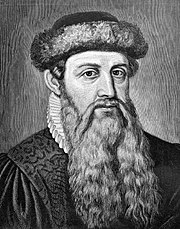
في أواخر الأربعينات من هذا العام قام العالم يوهانز جوتنبرج باختراع الطابعة وكان لها الدور الكبير للتعلم عن بعد عن طريق الكتاب كما يرى بعض العلماء.
1450
كان للعالم يوهانز جوتنبرج الدور الكبير في ظهور الطباعة التي ساعدت على التعلم عن بعد.
1690
History of the Newspaper
في هذا العام في أمريكا ظهرت أول صحيفة وهي صحيفة بوسطن في 1690
وكانت عن أخبار الحوادث وتم قمعها
1728 يرى بعض أن هذا التاريخ هو الأقدم للتعليم عن بعد وذلك عندما تم الأعلان في جريدة البوسطن عن أقامة دورات لتعلم Short Hand وذلك بالمراسلة بشكل اسبوعي مع القراء 1840 Sir Issac Pitman is credited with inventing correspondence courses by mail, which represented the first phase of distance education. المرحلة الأولى للتعليم عن بعد على يد العالم اسحاق بيتمان وذلك عن طريق المراسلة وكانت نظريته الاختزال ظهرت عام 1837م ثم تم تعلم النظرية عن طريق التعلم عن بعد عام 1840م. وذلك حدث في المملكة المتحدة. 1856 In Europe, Charles Toussaint and Gustav Langenscheidt teach languages by correspondence في أوروبا , تم تعلم اللغات عن طريق المراسلة وذلك على يد وتشارلز توسان وغوستاف 1858 ¨C The University of London creates its External Program.
في هذا التاريخ تم إنشاء جامعة في لندن للبرنامج الخارجي للتعلم عن بعد. وتعبر هي أول جامعة استخدمت التعليم عن بعد. أما في هذا العصر فتظم جامعة لندن حوالي 40 ألف طالب من 180 بلد مختلف.
المراجع : موقع جامعة لندن The University of London was the first university in the world to offer distance learning degrees – more than a century before the open universities were founded – through its External System established in 1858.

للمزيد راجع رابط الجامعةhttp://www.londonexternal.ac.uk/about_us/facts.shtml

1873 4 ] The Society to Encourage Studies at Home was founded in 1873 in Boston, Massachusetts. 1873 The Society to Encourage Studies at Home founded by Anna Eliot Ticknor ظهرت جمعية لتشجيع الدراسات في البداية أسسها آنا إليوت 1880

Thomas J. Foster starts a home course in mine safety.

قام العالم توماس جي فوستر بالطباعة في منزله عن سلامة المناجم.

1883

في هذا العام استخدم معهد شيكاغو التعليم عن بعد

1883 - Chautauqua College of Liberal Arts in the state of New York granted degrees to students who successfully completed academic work through correspondence education and summer workshops. 1883 - Cornell University attempted to establish a Correspondence University based out of its campus. Unfortunately, it did not succeed.

منحت كلية الآداب في ولاية نيويورك شهادات للطلبة الذي أنهو بنجاح العمل الأكاديمي من خلال التعلم بالمراسلة.

جامعة كورنيل حاولت تأسيس جامعة بالمراسلة ولكن, لسوء الحظ فإن التجربة لم تنجح.

1890

1890 - The Colliery Engineer School of Mines in Wilkes-Barre, Pennsylvania, begins a home study course in mining. مدرسة المناجم في ويلكس بار للمهندسين ، بنسلفانيا ، بدأت دورة دراسية في مجال التعدين.

1891

1891 The first officially recognized correspondence school, the Chautauqua College of Liberal Arts was recognized by the state of New York and granted the authority to confer degress on students who successfully completed their work through correspondence and summer programs.
1891 في هذا العام ظهرت أول مدرسة معترف بها رسميا للمراسلة
?1891 ¨C The Colliery Engineer School of Mines renames itself International Correspondence
Schools.
في هذا العام أيضاً تم إنشاء مدرسة للمهندسين خاصة بالتعليم عن بعد
1892 - 1st University distance learning program offered through the University of Chicago. 1892
Pennsylvania State College begins a correspondence program in agricultural studies The University of Chicago offers the first university courses by mail thanks to the efforts of university president William Rainey Harper ولاية بنسلفانيا تبدأ برنامج المراسلة في الدراسات الزراعية في جامعة شيكاغو ?1892 ¨C The University of Chicago starts administering the first university courses by mail. تطبيق التعليم عن بعد في جامعة شيكاغو. ،، بدأت جامعة شيكاغو بالدورات وذلك باستخدام التعليم عن بعد
1892 - Pennsylvania State College begins a correspondence program in agricultural studies.
ولاية بنسلفانيا في أحد كلياتها تبدأ برنامج المراسلة في الدراسات الزراعية.
1893
1893 – Jewish Chautauqua Society − 1 January, 1893 Founded by Rabbi Henry Berkowitz, the Jewish Correspondence School was to be the first nationally organized correspondence school for the education of relgious teachers. The problem as seen by Rabbi Berkowitz, was the relaince upon teacher taught in Europe. It was his contention that children/students raised in the United States were different from those raised in Europe and that they did not respond well to the educational methods and practices being utilized in Europe. The methodology of instruction created by the Jewish Correspondence School, relied upon reading circles, texts read in common among a group of students and a list of discussion and review questions
في هذا العام قامت الجمعية اليهودية تشوتاغوا التي أسسها الحاخام هنري بيركوفيتش باستخدمت التعليم بالمراسلة.
1894
1894 Wireless Telegraphy − 1 January, 1894 Gugliemo Marconi improves wireless telegraphy, setting the stage for the advent of radio as a future means for the delivery of educational and
ظهور الارسال اللاسلكي الذي كان السبب للتمهيد لظهور الأذاعة.
1897
1897- Jewish Chautauqua Society − 1 January, With reference to the Jewish Chautauqua Society (JCS) in 1893, and the creation of the Jewish Correspondence School, In 1897, the JCS created a Teachers Institute., with allowed students previously studing under the correspondence method to come to a central campus for three week periods and learn from recognized instructors in person.
إنشاء مدرسة يهودية في تستخدم التراسل للتعليم عن بعد
1899
1899 Valdemar Poulsen − 1 January, 1899 Valdemar Poulson uses magnetized steel tape as a recording medium. This step starts mankind down to the road to mass data storage on disk.
في هذا العام تم اختراع الشريط الممغنط الذي ساعد للتسجيل عليه واستخدامه في التعليم عن بعد.
1901
The Moody Bible Institute starts offering independent study courses في هذا العام قام معهد الكتاب المقدرس بالتعليم والدرسة عن طريق التعليم عن بعد.

1906

1906 The Calvert School of Baltimore becomes the first primary school in the United States to offer correspondence courses The University of Wisconsin offers extension courses in engineering مدرسة كالفيرت بالتيمور أول مدرسة ابتدائية في الولايات المتحدة تقدم دورات دراسية بالمراسلة ?1906 ¨C The Calvert School of Baltimore becomes the first primary school in the United States to offer correspondence courses. أول مدرسة ابتدائية استخدمت التعليم بالمراسلة وذلك في الولايات المتحدة.

1909

electronic communications such as telephones and radios (Bellis, Mary).
تم إنشاء جامعة ويسكونسن بهدف خدمة جميع المواطنين في ولاية ويسكونسن ، بغض النظر عما إذا كانوا يعيشون بالقرب من الجامعة أم لا

1911 1911 - University of Queensland in Australia established a Department of External Studies, which supported distance learning programs. إنشاء قسم الدراسات الخارجية في جامعة كوينزلاند في استراليا والتي تدعم التعليم عن بعد.

1915
1915 The National University Continuing Education Association is formed في هذا العام تم تشكيل الجامعة الوطنية للتعليم المستمر
1916
1916 University of the Cape of Good Hope changes its name to the University of South Africa تم تغيير اسم الجامعة إلى جامعة جنوب أفريقيا. ?1916 ¨C The National University Continuing Education Association is created in the United States. إنشاء الجامعة الوطنية والتعليم المستمر في الولايات المتحدة الأمريكية
1917
1917 - US Government controls all radio developments − 1 January, 1917 When the United States entered the first world war in 1917, all radio development was controlled by the U.S. Navy to prevent its possible use by enemy spies. The U.S. government took over control of all patents related to radio technology.

القوات البحرية الأمريكية تسيطر على موجات الراديو حتى لا يتحكم بها الجواسيس

1920

It should be noted that following that decade, film was considered to be a radical, progressive means of education. Indeed, in 1920, the National Academy of Visual Instructions was formed. Also, it is during this time that many organizations were formed around visual instruction. Thus, it seems that the 1910’s and the 1920’s were times, because of the war period, that new ideas were explored and new technologies were conceptualized. The use of film was certainly one of them. Retrieved on September 20, 2007 from http://mlmiller.myweb.uga.edu/timeline/1920s.html. Created by Mary Miller and Teresa Cruce for Dr. Thomas Reeves' UGA class EDIT 6100, spring 2002

تشكلت اللأكاديمية الوطنية للمرئيات التعليمية

. 1920's - Federal government issues the first educational radio licenses to deliver distance education courses. Distance teaching is introduced in universities in the Soviet Union. السماح لأول تراخيص إذاعية تعليمية لتقديم دورات التعليم عن بعد

1921
Pennsylvania State College begins broadcasting courses on the radio.
في هذا العام بدأ البث الأذاعي الخاص بالتعليم عن بعد في ولاية بنسلفانيا
1922
Pennsylvania State College broadcasts courses over the radio
في ولاية بنسلفانيا تم تقديم دورات عن طريق البث عبر الراديو 1925
The State University of Iowa offers five radio courses for credit جامعة ولاية ايوا تقدم خمس دورات إذاعية 1926
The National Home Study Council formed تشكيل اللجنة الوطنية للدراسة.
1928
Sound film hits the commercial market − 1 January, 1928 Many places had recently made expensive investments in silent film equipment and were hesitant to invest in the new, even more expensive sound film equipment, slowing adoption of the new technology
ظهور الفلم الصوتي في الأسواق
1930
CBS begins American School of the Air − 1 January, Similar to the earlier Ohio School of the Air, it runs twice-weekly covering various topics for elementary and secondary students, and lasts until 1940. Source: Miller, Mary and Teresa Cruce. "A 20th Century Timeline: Classroom Use of Instructional Film, Radio, and Television."
بدأت المدرسة الأمريكية للطيران على تقديم دروس مرتين أسبوعياً تشمل مواضيع متنوعة لطلاب المدارس الإبتدائية والثانوية

1931

. W9XK at the University of Iowa begins experiments in visual broadcasting − 1 January, Important because these are early efforts by a university to broadcast tv signals. Many university television stations later become home to PBS and other educational and/or public service-related broadcasting, including distance learning classes.
في جامعة ولاية ايوا بدأ بعض التجارب للبث المرئي " الاشارات التلفزيونية"
1932
Publication of study showing film used with textbooks is more effective than books alone − 1 January, 1932 An early study by the Carnegie Foundation claiming that students learn more information and show a greater conceptual understanding when using film with textbooks than when using textbooks alone. This could fairly be classified as one of the first media comparison studies in education. Source: Miller, Mary and Teresa Cruce. "A 20th Century Timeline: Classroom Use of Instructional Film, Radio, and Television." Accessed 01/25/07: http://www.arches.uga.edu/~mlmiller/timeline/1920s.html (Posted by: Candy Duff and Marshall Reeves)
في هذا العام نشرت دراسة تثبت أن استخدام الفيلم مع الكتاب له دور أكبر في التعلم من استخدام الكتاب فقط.
1933
1933- The world's first educational television programs were broadcast from the University of Iowa. إذاعة أول برامج تربوية عبر التلفاز للتعليم عن بعد وكانت خاصة بجامعة أيوا
1934
The State University of Iowa begins televised course broadcasts in subjects including oral hygiene and identifying star constellations
جامعة ولاية ايوا تبدأ بث تلفزيوني في مواضيع مختلفة بما في ذلك صحة الفم وتحديد علم الأبراج
In 1934, State University of Iowa became the first educational institution to use televsion as a medium to teach courses − 1 January, IOWANS FOR WOI-TV, INC. Records, 1991-1994. 4.62 linear ft. MS-584Iowans for WOI-TV, Inc., was formed on 1 June 1992 by a group of citizens (primarily Iowans) in opposition to the Iowa Board of Regents’ September 1991 decision to sell the university-owned station to a commercial interest. Through WOI-TV, Iowa State was one of the first educational institutions to broadcast college-level courses, and the station’s pioneering use of television for educational purposes helped to stimulate support for similar initiatives throughout the United States Adams, Jonathan. “Then and Now: Lessons from History Concerning the Merits and Problems of Distance Education.” Studies in Media & Information Literacy Education 7,1 (2007). (Retrieved May 24, 2007) http://www.lib.iastate.edu/spcl/collections/broadcast.html Submitted by Michelle Valente
في هذا العام أصبحت جامعة ايوا أول مؤسسة تعليمية تستخدم التلفاز في تقديم دوراتها.

1946

Another pioneering institution was the University of South Africa, which has been offering Correspondence Education courses since 1946. جامعة جنوب أفريقيا تقدم الدورات عن طريق التعليم بالمراسلة
1950 1950 - Iowa State University became the first educational television broadcaster in the world. جامعة أيوا أول جامعة تبث عن طريق التلفاز للتعليم عن بعد ?1950 ¨C The Ford Foundation begins offering grants to create and develop educational programs for television broadcasting. قامت مؤسسة فورد بتقديم المنح لإنشاء وتطوير البرامج التعليمية للبث التلفزيوني. 1960
In New Zealand, university-level distance education or extramural study began in 1960 at Massey University. في نيوزلندا وبجامعة ماسي تم استخدام التعليم عن بعد في ذلك العام.
1964
From 1964-1968 the Carnegie Foundation funded Wedemeyer's Articulated Instructional Media Project (AIM) which brought in a variety of communications technologies aimed at providing learning to an off-campus population. مؤسسة كارنيغي استخدمة مجموعة من تقنيات الاتصال للتعلم عن بعد
1964 Nova University is established The Carnegie Corporation funds the Articulated Instructional Media Project to explore using various communication media (e.g., radio, television, study guides, audiotapes, etc.) for teaching off-campus students The Union for Research and Experimentation in Higher Education is established by ten liberal arts colleges

أنشأت جامعة نوفا المشروع التعليمي لوسائل الإعلام "مثل الراديو والتلفزيون ، وأشرطة الكاسيت وغيرها".

1965

1965 The University of Wisconsin begins a statewide telephone-based distance education program for physicians جامعة ويسكونسن تبدأ باستخدام الهاتف في جميع أنحاء ولايتها لتعليم الأطباء وذلك باستخدام التعليم عن بعد
1967
The Corporation for Public Broadcasting created to promote non-commercial television use
المؤسسة العامة للإذاعة تم إنشاؤها بهدف السيطرة على التلفزيون التجاري والتقليل من مشاهدته
1968
Stanford University creates the Stanford Instructional Television Network The University of Nebraska-Lincoln's Independent Study High School becomes the first university-based correspondence school to offer an accredited high school diploma
جامعة ستانفورد تقوم بإنشاء شبكة تلفزيونية تعليمية
1969
1969 - United Kingdom's Open University was founded. The OU introduced a mixed-media approach to teaching distance learning courses. تأسست الجامعة المفتوحة في بريطانيا للتعليم عن بعد ، ملاحظة: يعتبر هذا التاريخ من أهم التواريخ وكل المواقع تركز على هذه المعلومة. واستخدمت التلفزيون والراديو 1970
Walden University opens, specializing in modular and limited residency graduate studies
تفتتح جامعة والدن أقسام خاصةا

1971

1971 - PEACENET Founded - 1st to use satellites in distance education.
في هذا العام تم استخدام الأقمار الصناعية للتعليم عن بعد
1972
Spain's Public UNED was founded in 1972. في هذا العام تأسست جامعة لتعليم عن بعد في اسبانيا. 1974 In Germany the FernUniversität in Hagen was founded 1974. في هذا العام تأسست جامعة للتعليم عن بعد في ألمانيا. 1974 John Bear authors the first edition of Bear's Guide, educating consumers about the opportunities available in non-traditional and distance education California State University Dominguez Hills offers an M.A. in Humanities through external education
جون بير يقدم كتابه الأول ، لتثقيف المستهلكين بشأن الفرص المتاحة غير التقليدية عن طريق التعليم عن بعد,في ولاية كاليفورنيا دومينغيز هيلز يقدم شهادة الماجستير في العلوم الإنسانية من خلال التعليم عن بعد

1975

1975 The University of Mid-America, a consortium of nine midwestern universities, formed to produce and deliver course via video
إحدى الجامعات الأمريكا تستخدم الفيدو للتعلم عن بعد
1976
1976 The University of Phoenix, a for-profit institution, opens
افتتاح جامعة فينيكس وهي جامعة ربحية
1979
1979 The California College For Health Sciences offers the correspondence program for healthcare professionals
كلية كاليفورنيا للعلوم الصحية تقدم برامج صحية عن طريق التعلم عن بعد
1982
1982 The National University Teleconferencing Network, a consortium of 66 universities and the Smithsonian Institution, was established
ظهرت الجامعة الوطينة المرتبطة بالشبكات وتضم 66 جامعة وكلية.
1983
1983 Control Data opens Plato Homelink, an online educational service IBM creates the Interactive Satellite Education Network, a corporate training network using satellite television
Time names the computer as the "Man of the Year"
ظهرت خدمة الانرنت التعليمة آي بي إم
1984
1984 National Technological University opens, offering videotape and satellite graduate engineering courses The Electronic University Network, founded in 1983, offers its first online courses using proprietary software for DOS and Commodore 64 computers
افتتاح الجامعة الوطنية للتكنولوجيا،وكانت تقدم أشرطة الفيديو وتستخدم الأقمار الصناعية للتعلم عن بعد

1985

1985 After many years of difficulty, including going into Chapter 11 bankruptcy, The Union for Experimenting Colleges and Universities earns North Central Accreditation Paul Levinson and Tina Vozick create Connected Education, a program of online graduate courses taught by professors at The New School for Social Research
تقديم برامج للدراسات العليا عبر الانترنت
1987
1987 Glenn Jones starts Mind Extension University, a cable network broadcasting courses and full degree programs (such as Colorado State University MBA) developed by community colleges and universities The International School of Information Management is begun as a distance degree-granting institution offering a Master of Science Degree in Information Resources Management.
1987 في هذا العام تم بث محاضرات ودورات وبرامج للتعليم عن بعد وكانت تقدمها بعض الجامعات مثل جامعة ولاية كولورادو وكانت تمنح درجة الماجستير في التعليم عن بعد.
1989
جامعة فينيكس تبدأ برنامجها على الانترنت للتعليم عن بعد
1992
الشبكة الالكترونية جامعة التغييرات في التركيز على مساعدة الجامعات على الانترنت تطوير الحرم الجامعي الالكتروني في أمريكا
أون لاين. وتشمل برامج على درجة الدكتوراه في دراسات متكاملة من معهد كاليفورنيا للدراسات متكاملة. جامعة الشبكة الالكترونية تقوم بإنشاء التعلم عن بعد على الانترنت وتشمل تقديم درجة الدكتوراه. جامعة جورج واشنطن تبدأ عملها بدرجة الماجستير وتقدم برامجها عبر الانترنت.
1993
الجامعية الدولية التي أسسها غلين جونز تبدأ برامجها عبر الأنترنت. معهد الاتحاد يفتتح مركز للتعليم عن بعد للبكالوريوس.
جامعة نبراسكا لنكولن تبدأ برامجها عبر شبكة الإنترنت على درجة الدكتوراه في القيادة التربوية والتعليم العالي
1994
ظهر جامعة نوفا بعد الدمج مع جامعة أخرى.
1995
جامعة ريجنت تقدم عبر الانترنت أول دكتوراه في الاتصالات.
1996
جامعة ديوك تبدأ برنامج الماجستير في إدارة الأعمال عبر الانترنت في مواقع مختلفة من العالم مثل أوربا وأسيا وأمريكا الجنوبية.
1997
الجامعة الافتراضية في ولاية كاليفورنيا تقدم عبر الانترنت ما يقارب 1500 دورة.
1998
ريجنت كلية الحقوق في جامعة ، وأبا البرنامج المعتمدة ، وتعلن على الانترنت أول ماجستير في القانون البرنامج في الضرائب الدولية جامعة ريجنت تقدم عبر الانترنت أول ماجستير في القانون.
1999
الجامعة المفتوحة في بريطانيا تفتتح فرع لها في الولايات المتحدة الأمريكية. وزارة التربية والتعليم في أمريكا تقدم الدعم المالي
للتعليم عن بعد. جامعة ماريلاند (UMUC) وجامعة تمبل ، تعلن عن مشاريع ربحية لتسويق الدورات عبر الأنترنت.
2000
ظهر الكثير من الجامعات المسيحية التي تدعم التعليم عن بعد.
2006 In 2006 the Sloan Consortium reported that more than 96 percent of the largest colleges and universities in the United States offered online courses and that almost 3.2 million U.S. students were taking at least one online course during the fall 2005 term 2006 أكثر من 96% من جامعات الولايات المتحدة تقدم التعليم عن بعد باستخدام الأنترنت. جامعة فينيكس ، والتي تعتبر الجامعة الأولى على شبكة الإنترنت ، لديها الآن مائتي ألف طالب ، ويتوقع أن تخدم خمسمائة ألف طالب بحلول عام 2010 In Ontario, Canada the Ministry of Training, Colleges and Universities established the elearnnetwork.ca in 2007 to provide access to students in small and rural communities across Ontario who wanted to pursue college or university courses from their community by distance education. في أونتاريو ، أنشأت كندا وزارة التدريب والكليات والجامعات وذلك في عام 2007 للوصول لطلاب المناطق الريفية لمتابعة الكليات أو الجامعات.
رواد التعليم عن بعد 1840 أول من اخترع طريقة التعلم وذلك بإعطاء دورات بالمراسلة هو استحاق بيتمان 1960 أخذ دورات تعليم بالمراسلة عن طريق الأذاعة كان بيتمان له التأثير الكبير في نجاح برامج العليم عن بعد في جامعة واشنطن وجامعة ايوا John P له الفضل في الكثير من المشاريع التي ساعدت على انتشار التعليم عن بعد وقد كتب العديد من الكتب عن التعليم عن بعد ويعمل حاليا في هيئة التدريس في المعهد التعاوني لإدارة التعليم عن بعد "
faculty of the Western Cooperative's Institute for the Management of Distance Education. (7)" Distance Education Pioneers Sir Issac Pittman - English inventor of shorthand, credited with inventing correspondence courses by mail in 1840. Von Pittman - first encountered distance education during the 1960's taking correspondence courses by radio while in the US Navy. Pittman went on to become a major influence on the success of distance education programs at Washington State University and the University of Iowa. John P. Witherspoon - is credited with having a hand in a variety of ventures that helped move distance education move from correspondence courses to respectable academic endeavors. He has written several books on distance education and currently serves on the faculty of the Western Cooperative's Institute for the Management of Distance Education. (7) William Rainey Harper (1856-1906) يعتبر من أول من نفذ التعليم عن بعد وهو كان أول رئيس لجامعة شيكاغو is a pioneer in both education and distance education. He is most known for helping establish and serving as the first president of the University of Chicago. He implemented the First University extension program in the United States at the University of Chicago. Charles Wedemeyer of the University of Wisconsin–Madison is considered one of the fathers' of modern distance education in America. تشارلز وديمير يعتبر من رواد التعليم عن بعد من جامعة ويسكونسن ماديسون

القديس بولس

يرى البعض أن القديس بولس هو أول من استخدم التعليم عن بعد في أواخر القرن 19 ميلادي وذلك للتعليم في قارة أسيا ومنطقة البحر الأبيض المتوسط

المراجع References Arenson, K.W. (1998, November 2). More Colleges Plunging Into Uncharted Waters of On-Line Courses. The New York Times, p. A16. Blumenstyk, G. (1997, June 20). Elite Private Universities Get Serious About Distance Learning. The Chronicle of Higher Education, 43, A23. McCollum, K. (1998, November 27). Western Governors U. Forms Consortium With Britain's Open University. The Chronicle of Higher Education, 45, A23.

Moore, M.G., & Kearsley, G. (1996). Distance Education: A Systems View. Belmont, CA: Wadsworth.

Stone, M.D. (1994, May 1). Getting Online for Education. PC Magazine, 3, 215-222.

Withrow, F.B. (1997, June). Technology in Education and the Next Twenty-Five Years. T.H.E. Journal, 24, 59-61. 7. "Distance Education Pioneers." 24 December 2000. Distance-Educator.com. 12. Matthews, Diane. "The Origins of Distance Education." T.H.E. Journal.Vol. 27, No. 2 Sept. 99. 56-66.

5. "Distance Education."7 November 2000. Center for Credit Programs, University of Iowa. . 6. "Distance Education, An Introduction" 3 January 2001. Distance-Educator.com.